Navigating Menopause with Confidence and Support
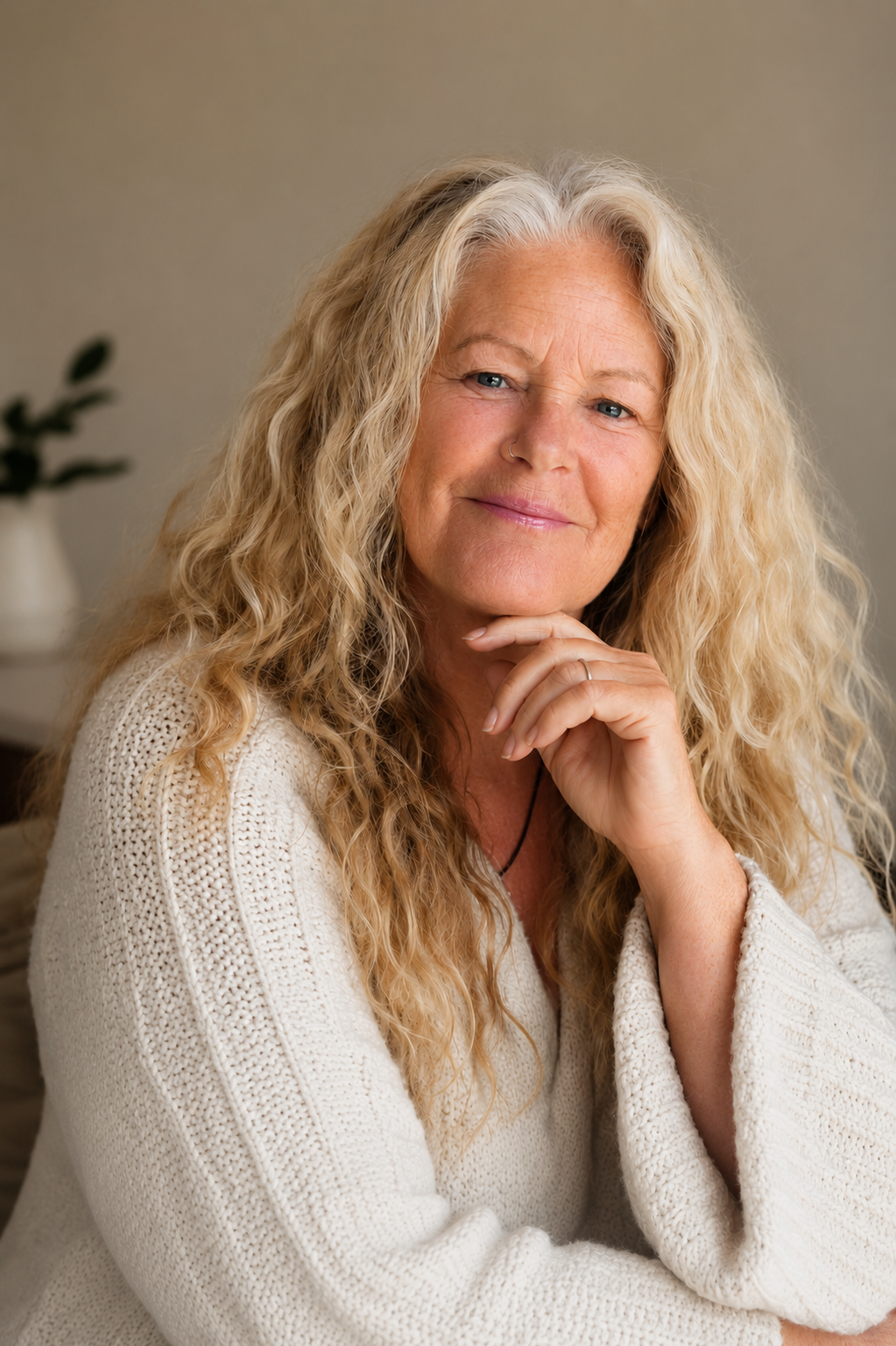
Menopause is a natural phase in a woman's life, yet it often comes with a mix of emotions, challenges, and questions. As women transition through this stage, they may experience a range of symptoms that can impact their physical and emotional well-being. Understanding menopause and finding the right support can empower women to navigate this journey with confidence. In this blog post, we will explore the various aspects of menopause, including its symptoms, coping strategies, and the importance of community support.
Understanding Menopause
Menopause marks the end of a woman's reproductive years, typically occurring between the ages of 45 and 55. It is defined as the time when a woman has not had a menstrual period for 12 consecutive months. The transition leading up to menopause, known as perimenopause, can begin several years earlier and is characterized by hormonal fluctuations that can lead to various symptoms.
Common Symptoms of Menopause
The symptoms of menopause can vary widely among women, but some of the most common include:
Hot flashes: Sudden feelings of warmth, often accompanied by sweating and flushing.
Night sweats: Hot flashes that occur during sleep, leading to disrupted rest.
Mood changes: Increased irritability, anxiety, or depression.
Sleep disturbances: Difficulty falling asleep or staying asleep.
Vaginal dryness: Decreased lubrication can lead to discomfort during intercourse.
Weight gain: Hormonal changes can affect metabolism and body composition.
Understanding these symptoms is crucial for women to recognize what they are experiencing and to seek appropriate support.
Coping Strategies for Menopause
While menopause can be challenging, there are several strategies that women can adopt to manage their symptoms effectively.
Lifestyle Changes
Diet: A balanced diet rich in fruits, vegetables, whole grains, and lean proteins can help manage weight and improve overall health. Foods high in calcium and vitamin D are particularly important for bone health.
Exercise: Regular physical activity can alleviate many menopause symptoms, including mood swings and weight gain. Aim for at least 150 minutes of moderate aerobic activity each week, along with strength training exercises.
Hydration: Staying hydrated can help reduce hot flashes and improve skin health. Aim for at least eight glasses of water a day.
Mindfulness and Relaxation Techniques
Practicing mindfulness and relaxation techniques can significantly improve emotional well-being during menopause. Consider incorporating the following into your routine:
Yoga: This practice combines physical movement with breath control and meditation, promoting relaxation and reducing stress.
Meditation: Even a few minutes of daily meditation can help calm the mind and improve emotional resilience.
Deep breathing exercises: These can help manage anxiety and reduce the intensity of hot flashes.
Seeking Professional Help
Consulting with healthcare professionals can provide valuable insights and treatment options. Some women may benefit from:
Hormone Replacement Therapy (HRT): This treatment can help alleviate severe symptoms but should be discussed thoroughly with a healthcare provider to weigh the risks and benefits.
Counselling or Therapy: Speaking with a mental health professional can help address mood changes and emotional challenges.
The Importance of Community Support
Navigating menopause can feel isolating, but connecting with others who share similar experiences can provide comfort and understanding. Here are some ways to build a supportive community:
Join Support Groups
Support groups, whether in-person or online, can offer a safe space to share experiences, ask questions, and receive encouragement. Many women find that discussing their challenges with others helps them feel less alone.
Engage in Open Conversations
Encouraging open discussions about menopause with friends, family, and colleagues can help normalise the experience. Sharing stories and advice can foster a sense of community and understanding.
Seek Out Educational Resources
Many organisations and websites provide valuable information about menopause and it can be overwhelming. Engaging with educational resources can empower women to make informed decisions about their health and well-being. Start with our book or ebook and let us know how you get on.
Embracing the Change
Menopause is a significant life transition, but it can also be an opportunity for growth and self-discovery. Embracing this change with a positive mindset can lead to new experiences and a deeper understanding of oneself.
Celebrate Your Journey
Take time to reflect on your journey and celebrate your achievements. Whether it’s pursuing new hobbies, focusing on personal growth, or simply enjoying life’s little moments, finding joy in this phase can enhance overall well-being.
Focus on Self-Care
Prioritising self-care is essential during menopause. This can include:
Pampering yourself: Treat yourself to a spa day, a new book, or a favourite hobby.
Setting boundaries: Learn to say no to commitments that drain your energy and focus on what truly matters to you.
Practising gratitude: Keeping a gratitude journal can help shift your focus to the positive aspects of life.
Conclusion
Navigating menopause can be a complex journey filled with challenges and opportunities. By understanding the symptoms, adopting coping strategies, and seeking support, women can approach this phase of life with confidence. Remember, you are not alone in this experience, and there are resources available to help you thrive. Embrace this new chapter with an open heart and mind, and take the steps necessary to prioritise your health and well-being.
As you move forward, consider reaching out to friends, family, or support groups to share your experiences and learn from others. Together, we can create a supportive community that empowers women to navigate menopause with grace and confidence.


Comments