Empowering Women Through Menopause: A New Chapter
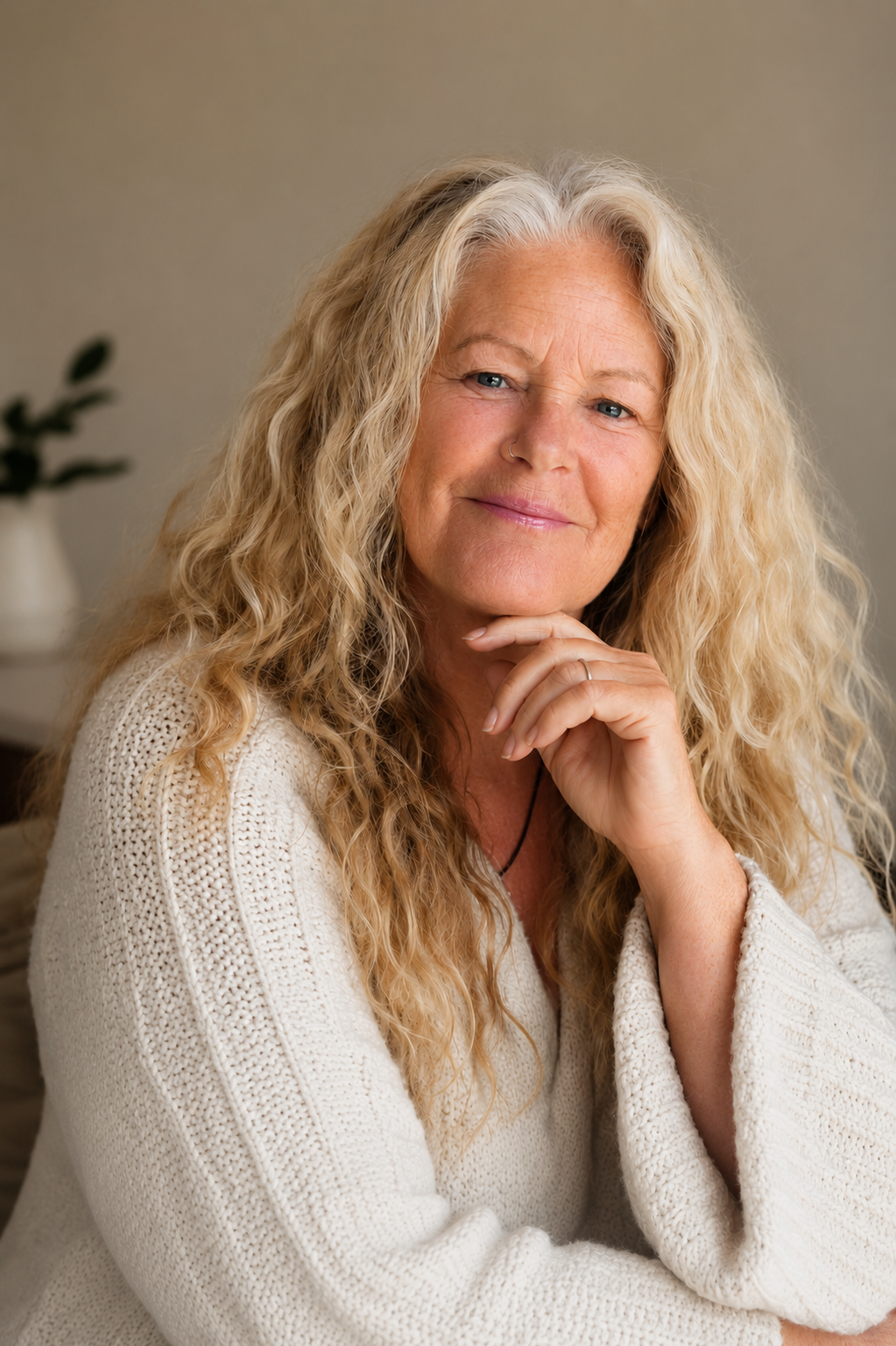

Menopause is often viewed as a daunting phase in a woman's life, filled with uncertainty and discomfort. However, it can also be a time of empowerment and renewal. As women transition through this natural biological process, they have the opportunity to embrace change, rediscover their identities, and take charge of their health and well-being. This blog post will explore how women can navigate menopause positively and proactively, turning what is often seen as an ending into a powerful new beginning.
Understanding Menopause
What is Menopause?
Menopause marks the end of a woman's menstrual cycles and fertility, typically occurring between the ages of 45 and 55. It is a natural biological process characterised by hormonal changes, primarily a decrease in estrogen and progesterone levels. This transition can lead to various physical and emotional symptoms, including:
Hot flashes
Night sweats
Mood swings
Sleep disturbances
Vaginal dryness
The Stages of Menopause
Menopause is not a single event but a process that occurs in three stages:
Perimenopause: This stage can begin several years before menopause, during which hormonal fluctuations can cause irregular periods and various symptoms.
Menopause: This is officially diagnosed when a woman has not had a menstrual period for 12 consecutive months.
Postmenopause: This stage follows menopause and lasts for the rest of a woman's life. Symptoms may continue, but many women find relief as their bodies adjust to lower hormone levels.
Embracing Change
A Shift in Perspective
Instead of viewing menopause as a negative experience, women can choose to see it as an opportunity for growth and self-discovery. This shift in perspective can lead to a more positive experience. Here are some ways to embrace this change:
Educate Yourself: Knowledge is power. Understanding what to expect during menopause can help alleviate fears and anxiety. Consider reading books, attending workshops, or joining support groups.
Connect with Others: Sharing experiences with friends or joining a community of women going through similar changes can provide emotional support and valuable insights.
Finding Your Voice
Menopause can be a time for women to reclaim their voices and assert their needs. This can involve:
Advocating for Your Health: Be proactive in discussing symptoms and treatment options with healthcare providers. Don't hesitate to seek second opinions or explore alternative therapies.
Setting Boundaries: As life changes, so may priorities. It's essential to communicate your needs to family, friends, and colleagues, ensuring you have the support you require.
Prioritising Health and Well-Being
Nutrition and Exercise
Maintaining a healthy lifestyle is crucial during menopause. Here are some tips:
Balanced Diet: Focus on a diet rich in fruits, vegetables, whole grains, and lean proteins. Foods high in calcium and vitamin D are particularly important for bone health.
Regular Exercise: Engaging in regular physical activity can help manage weight, improve mood, and reduce the risk of chronic diseases. Aim for a mix of cardiovascular, strength training, and flexibility exercises.
Mental Health Matters
Menopause can bring emotional challenges, making mental health a priority. Consider these strategies:
Mindfulness and Meditation: Practising mindfulness can help reduce stress and improve emotional well-being. Techniques such as meditation, yoga, or deep-breathing exercises can be beneficial.
Seek Professional Help: If feelings of anxiety or depression become overwhelming, consider speaking with a mental health professional. Therapy can provide valuable coping strategies and support.
Exploring Treatment Options
Hormone Replacement Therapy (HRT)
Hormone Replacement Therapy can be an effective treatment for managing menopause symptoms. HRT involves taking medications that contain female hormones to replace the ones the body no longer makes. It's essential to discuss the risks and benefits with a healthcare provider to determine if it's the right option for you.
Alternative Therapies
Many women explore alternative therapies to manage symptoms. Some popular options include:
Herbal Supplements: Some women find relief with herbal remedies such as black cohosh or evening primrose oil. Always consult a healthcare provider before starting any new supplement.
Acupuncture: This traditional Chinese medicine technique may help alleviate hot flashes and improve overall well-being.
Building a Support Network
Finding Community
Connecting with others who understand the challenges of menopause can be incredibly empowering. Consider:
Support Groups: Look for local or online support groups where women share experiences and advice.
Workshops and Seminars: Attend events focused on menopause and women's health to gain knowledge and meet others.
Engaging with Family and Friends
Open communication with loved ones can foster understanding and support. Share your experiences and feelings with family and friends, helping them understand what you are going through.
Celebrating New Beginnings
Rediscovering Passions
Menopause can be a time to explore new interests and hobbies. Consider:
Taking Up a New Hobby: Whether it's painting, gardening, or learning a musical instrument, engaging in creative activities can bring joy and fulfilment.
Travelling: If circumstances allow, consider travelling to new places. Exploring different cultures can provide fresh perspectives and experiences.
Embracing Your Identity
As women transition through menopause, they often find a renewed sense of self. This is a time to reflect on personal achievements and set new goals. Embrace this opportunity to redefine your identity and pursue what truly matters to you.
Conclusion
Menopause is a significant life transition that can be approached with positivity and empowerment. By understanding the process, prioritising health, building a support network, and embracing new beginnings, women can navigate this chapter with confidence and grace. Remember, menopause is not the end; it is a new chapter filled with possibilities. Take charge of your journey, and celebrate the strength and resilience that comes with this phase of life.
As you move forward, consider what steps you can take today to embrace this new chapter. Whether it's seeking support, exploring treatment options, or rediscovering passions, the journey through menopause can be a powerful and transformative experience.


Comments